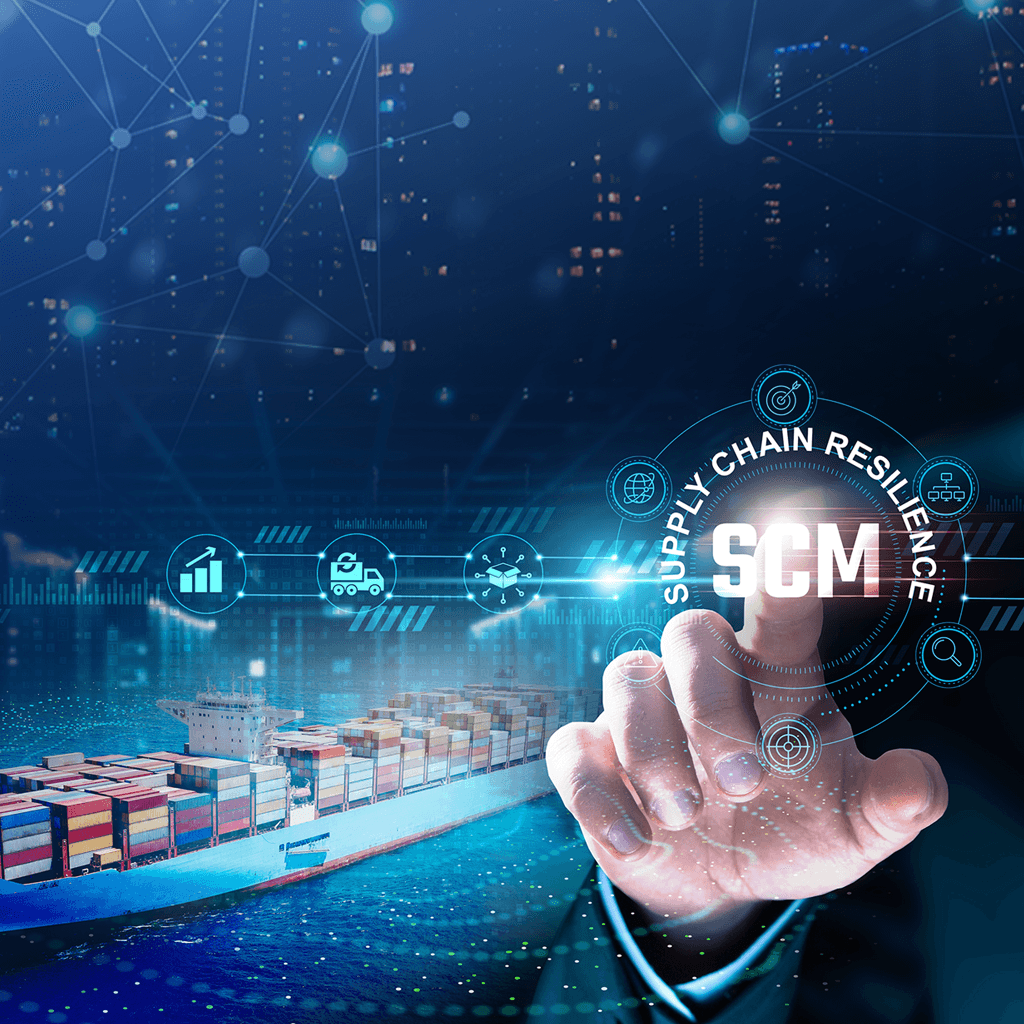

Supply Chain and Inventory Management: From Order to Delivery
Day 1: Introduction to Supply Chain and Inventory Management
Objectives:
- Introduce participants to the concept of supply chain and inventory management.
- Understand the relationship between supply and demand in supply chains.
- Learn about the core components and concepts of supply chains.
Topics:
- The Concept of Supply Chain and Inventory Management
- Defining supply chains and their importance in business operations.
- Key components of the supply chain (suppliers, transportation, warehousing, distribution).
- The difference between local and global supply chains.
- The Relationship Between Supply and Demand in Supply Chains
- How demand affects the supply chain and how to forecast it.
- Mechanisms for determining optimal inventory levels based on demand.
- Strategies to handle supply and demand fluctuations.
- Core Components of a Supply Chain
- Essential components: suppliers, transportation, warehousing, manufacturing, distribution.
- Digital systems for managing supply chains.
- The role of modern technologies like AI in enhancing supply chains.
Day 2: Inventory Management Strategies and Efficiency Optimization
Objectives:
- Learn effective strategies for inventory management.
- Understand how to optimize inventory levels to reduce costs and increase efficiency.
- Explore techniques to balance supply and demand.
Topics:
- Effective Inventory Management Strategies
- Types of inventory: raw materials, work in progress, finished goods.
- Inventory control techniques: FIFO (First In, First Out), LIFO (Last In, First Out), JIT (Just In Time).
- Using modern inventory management systems (e.g., ERP systems).
- Optimizing Inventory Levels to Minimize Costs
- How to determine optimal inventory quantities.
- Analyzing inventory related costs (fixed and variable costs).
- Techniques to identify reorder points and safety stock.
- Balancing Supply and Demand in Inventory Management
- Forecasting demand using data and statistics.
- Strategies for handling demand fluctuations.
- Dynamic inventory management to meet customer needs.
Day 3: From Order to Delivery, Improving Supply and Distribution Operations
Objectives:
- Understand how to manage orders efficiently from the point of order to final delivery.
- Learn how to improve procurement and distribution operations to reduce lead times and improve quality.
- Explore the role of partnerships with suppliers and distributors in enhancing the supply chain.
Topics:
- Managing Orders from Point of Order to Delivery
- How to determine orders based on market needs and inventory.
- Coordinating procurement with suppliers to meet production needs.
- Improving picking, packing, and shipping processes to ensure timely deliveries.
- Optimizing Procurement and Distribution Operations
- Using technology to speed up procurement and reduce lead times.
- Improving the distribution network: warehousing, transportation, shipping, and delivery.
- The role of technology in streamlining procurement and distribution (e.g., GPS tracking, shipment tracking).
- Partnerships with Suppliers and Distributors
- Building strong relationships with suppliers for reliable and continuous supply.
- Collaborating with distributors to improve lead times and product quality.
- Leveraging local and international suppliers to balance cost and efficiency.